
Faculty of Nursing, UNHAS, Participated in a Blended International Programme (BIP) at Hanze University of Applied Sciences, Groningen, the Netherlands
This activity was conducted as a Blended International Programme (BIP), combining online and offline learning modalities. The programme was designed to enhance participants’ understanding of Planetary Health issues while strengthening international academic collaboration and cross cultural learning experiences. A total of four students from Hasanuddin University (UNHAS) participated in this programme.
The programme was conducted during Weeks 2–5 of 2026 (approximately 5 hours per week), consisting of an online phase and on-site activities in Groningen from 2 to 6 February 2026. This blended structure allowed participants to engage in continuous learning, preparation, and collaboration prior to the on-site activities.
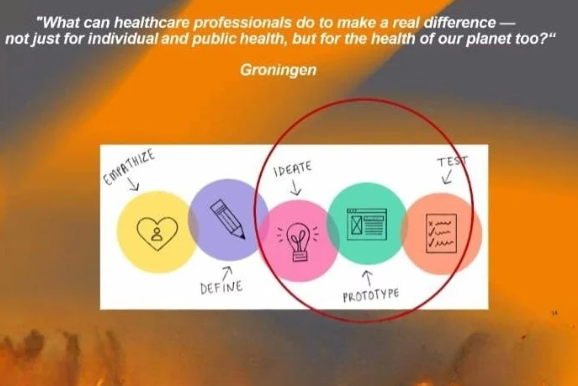
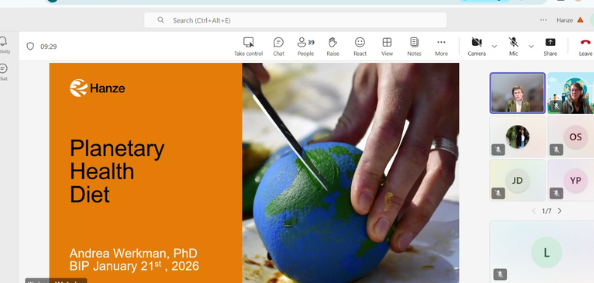
During the online phase, the programme consisted of two main sessions delivered via Microsoft Teams. In the first session, all participants and lecturers from various countries gathered to attend lectures presented by academic staff with professional expertise in their respective fields. The topics covered included an introduction to the Groningen campus, self-introductions by representatives of each participating country, and discussions of practical examples related to Planetary Health.
Following the plenary session, participants were divided into small interdisciplinary groups consisting of six to seven members under the supervision of two lecturers from Groningen. These groups engaged in collaborative discussions, case analyses, and project-based learning activities. The group work initiated during the online phase was continued intensively during the offline sessions in Groningen, fostering deeper academic exchange and intercultural collaboration.
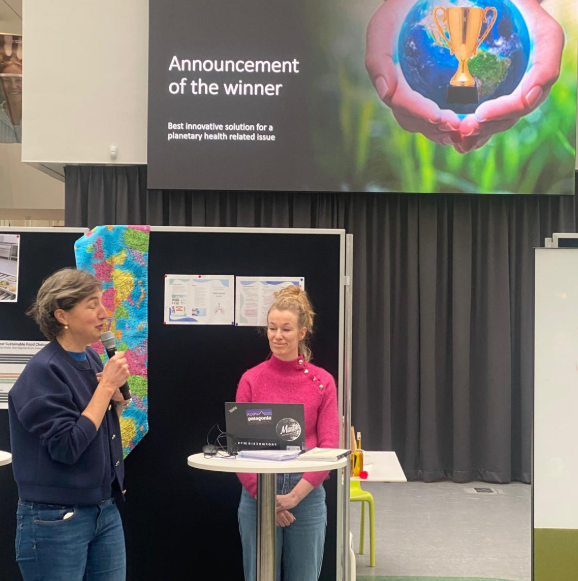
Throughout both the online and offline components, participants were actively involved in a range of academic assignments, including the preparation and delivery of presentations, critical journal reviews, and the creation of vlogs related to Planetary Health. In addition, several educational games were conducted during the offline sessions to encourage interaction and engagement. Participants who joined the programme online were also actively involved in the offline activities through Microsoft Teams, ensuring inclusive participation for all.
The UNHAS students actively contributed to discussions by presenting contextual examples of environmental and public health challenges in Indonesia, particularly those related to climate change, environmental sustainability, and their impact on community health. These perspectives enriched the cross-country dialogue by offering insights from a Southeast Asian and developing country context, thereby strengthening comparative analysis and global understanding of Planetary Health issues.
The programme was attended by participants from ten countries, namely Germany, Belgium, Albania, Switzerland, Tenerife, Norway, Indonesia, Kosovo, Bosnia and Herzegovina, and the Netherlands. This diverse international composition created a collaborative academic environment and broadened participants’ global perspectives on sustainability and health.
Upon completion of the programme, participants fulfilled all academic requirements and received certificates of participation. The experience not only strengthened students’ competencies in global health and interdisciplinary collaboration but also opened opportunities for future academic cooperation, joint research initiatives, and continued engagement between UNHAS and Hanze University of Applied Sciences.
Overall, the Blended International Programme provided a valuable platform for academic exchange, interdisciplinary learning, and international networking. This participation reflects the Faculty of Nursing UNHAS’s commitment to internationalization, global engagement, and the integration of Planetary Health principles into nursing education. Through structured learning activities and collaborative academic tasks, participants developed a deeper awareness of global health challenges and the importance of sustainable and evidence-based solutions within the Planetary Health framework.