
MPA UNHAS Strengthens Academic Collaboration Through International Colloquium on Policy and Governance at USM Penang
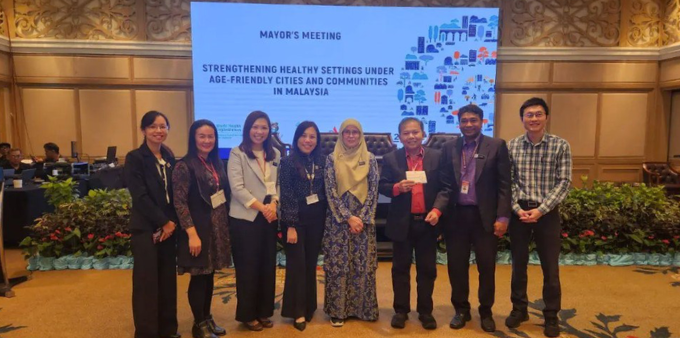
Prof. Sukri Palutturi, Dean of the Faculty of Public Health (FKM) at Hasanuddin University (UNHAS), took part in a mayoral-level meeting organized by the WHO Western Pacific Regional Office (WPRO) together with the Alliance for Healthy Cities (AFHC). The event, held on 25–26 November 2025 at the Royale Chulan Penang in George Town, Malaysia, gathered representatives from Malaysia, Brunei, Singapore, and several other countries. The meeting served as a high-level platform to exchange insights and strengthen regional commitments toward advancing the concept of healthy cities.
The discussions began with a strong call from WHO to shift global and regional health systems away from reactive, disease-centered approaches. In the first plenary session, WHO emphasized that health services in many countries still focus mainly on treating illness rather than promoting overall well-being. A more comprehensive system that prioritizes health determinants—such as environment, behavior, and social structures—was described as essential for achieving sustainable improvements in community health. This message underscored the importance of reinventing health systems to be more preventive and holistic.
Further reinforcing this direction, the second plenary session introduced the idea of “weaving health into everyday life” through a setting-based approach. Countries and cities shared their experiences and innovations: Malaysia showcased its Smoke-Free Zones and senior-friendly programs; the Philippines highlighted its healthy market initiative; and Indonesia presented its Swasti Saba award system for cities meeting healthy city indicators. These examples demonstrated diverse progress yet also revealed varying levels of readiness and innovation among participating regions.
Common challenges surfaced throughout the discussions, including weak cross-sector collaboration, insufficient funding, and limited involvement from non-health sectors. Community participation was also recognized as an ongoing difficulty that needs more strategic attention. As populations continue to age in many countries, the forum dedicated time to exploring age-friendly city strategies and the prevention of noncommunicable diseases (NCDs). WHO also encouraged stronger engagement with international networks such as AFHC and the Asia-Pacific Tobacco-Free Cities Network to strengthen collective action.
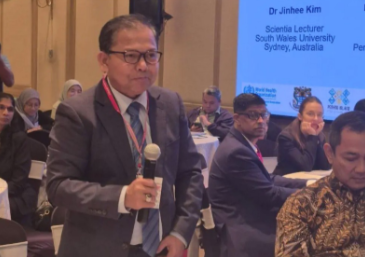
During these exchanges, Prof. Sukri contributed several critical insights grounded in research and practical experiences. He noted that one of the major barriers to implementing healthy city programs is the lack of a comprehensive and shared understanding of the concept itself across sectors. He emphasized the need for continuous capacity building to align stakeholders with the core principles of healthy cities. In addition, he highlighted persistent institutional and funding limitations, pointing out that frequent changes in regional leadership often disrupt the continuity and sustainability of long-term healthy city initiatives.