Where the world comes to study
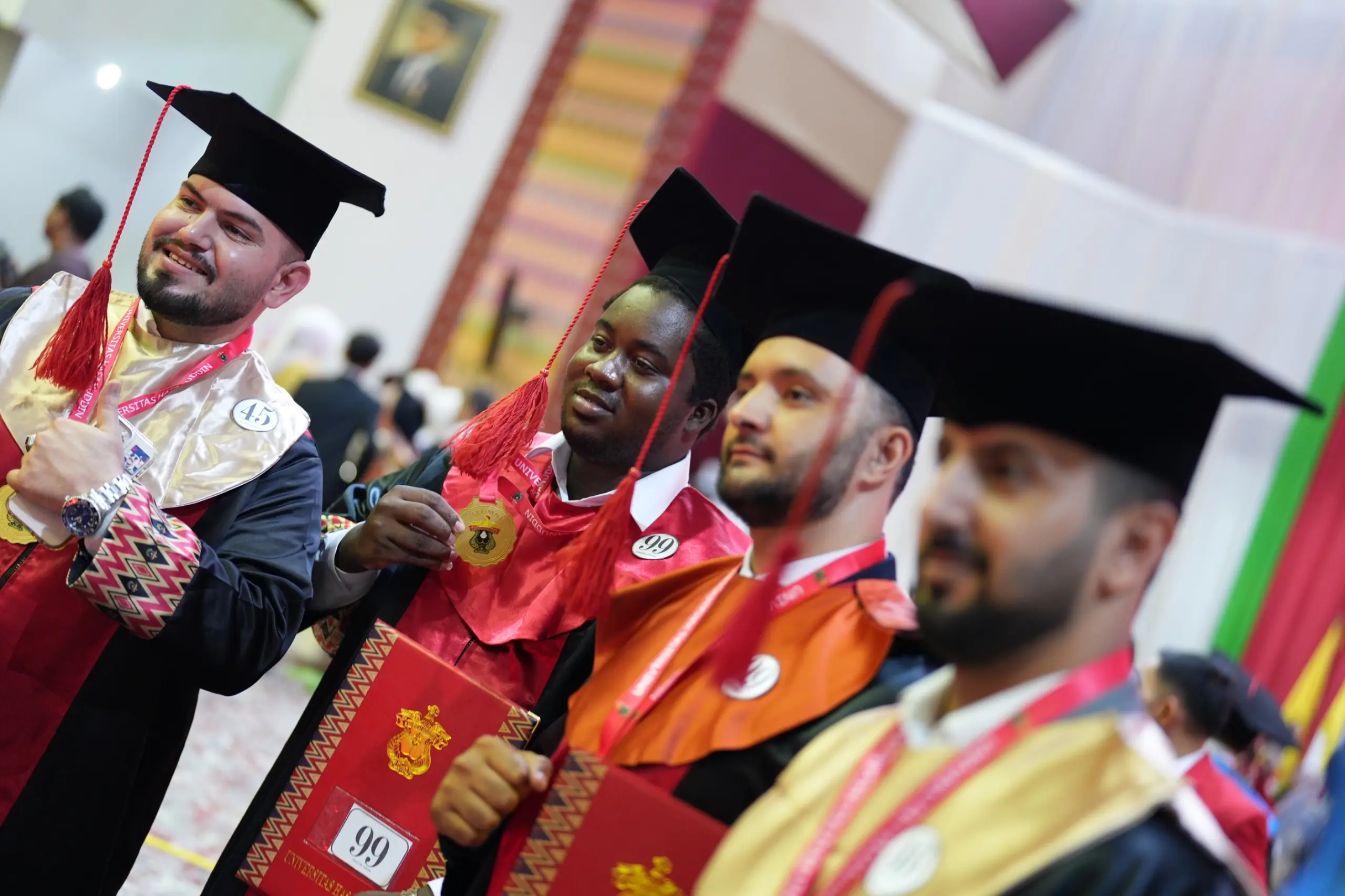
From Asia, Africa, and the Middle East, students cross oceans to study at Universitas Hasanuddin in Makassar, from the bachelor’s degree to the doctorate. They learn alongside Indonesian classmates, pick up the language of the city around them, and leave with degrees recognised beyond Indonesia.
New arrivals
A graduate school with the world in it
This year’s new graduate cohort includes students from many other countries, in master’s and doctoral programmes across the university.
Neighbours from Timor-Leste
This August, the Graduate School welcomed a new group of students from Timor-Leste in the Senate Room of the Rectorate, a reminder of the historical and social ties between the two countries.
A classroom in Dili
Unhas also teaches postgraduate students where they live: its professors led a workshop on publishing in international journals for the hybrid graduate classes in Dili, Timor-Leste.
Immigration, on campus
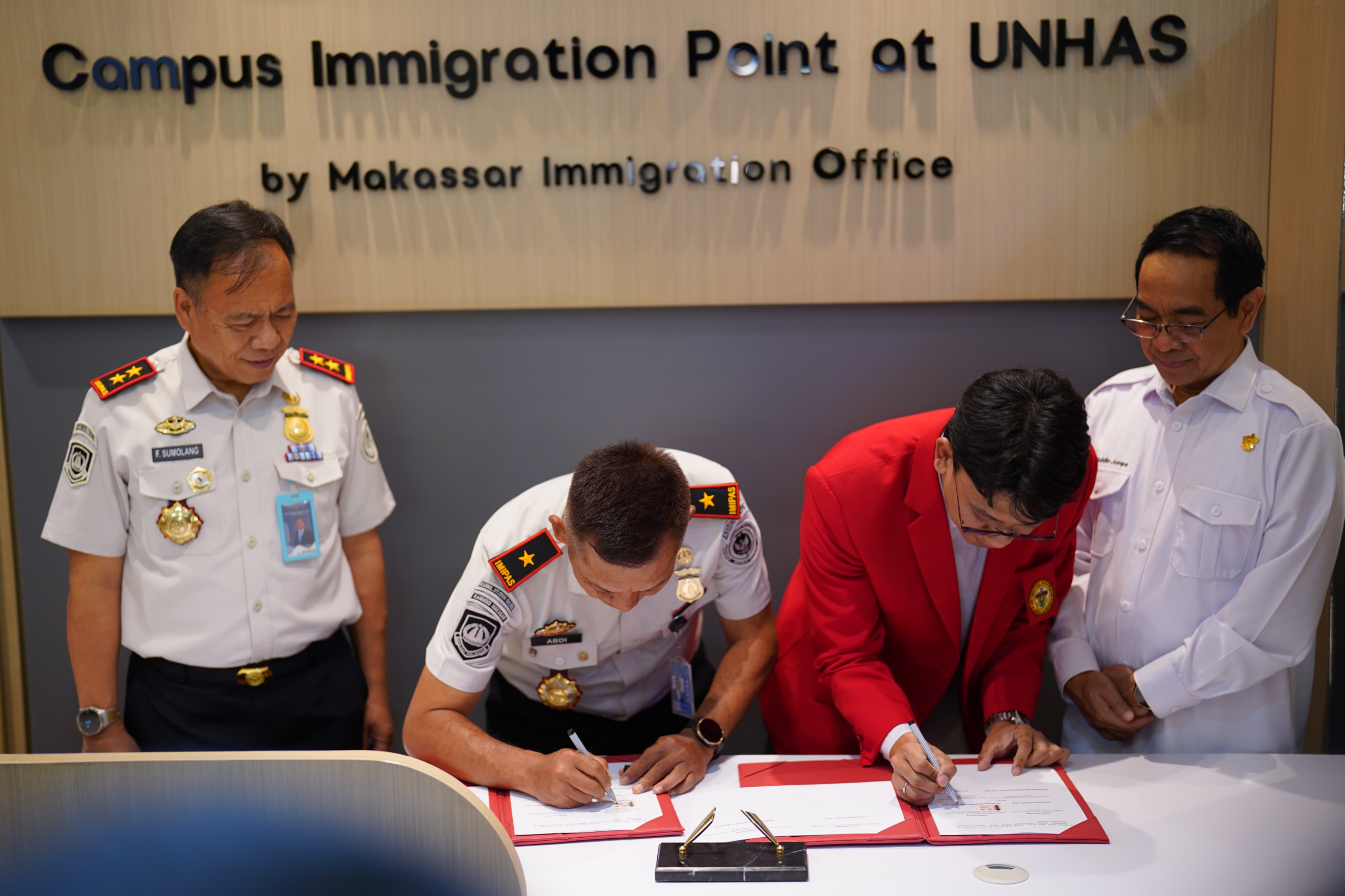
Unhas and the Makassar immigration office opened a Campus Immigration Point that brings immigration services to students, staff, and international partners; during its trial it opens on Tuesdays and Thursdays. International students also attend briefings by the immigration office and the South Sulawesi police on stay permits and road safety.
Life beyond the lecture hall
Ramadan with a family in Barru
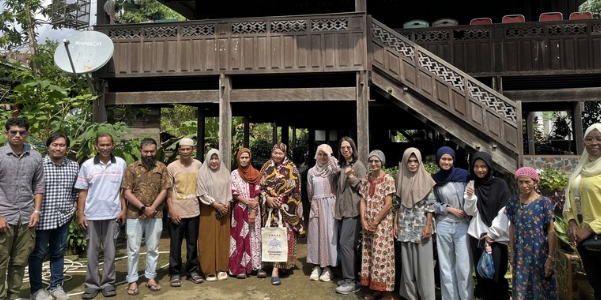
During Ramadan, international students from Sudan, Pakistan, Bangladesh, Afghanistan, and Hong Kong stayed with families in Paccekke Village, Barru Regency, through the International Office’s Host Family programme. With Unhas student buddies, they kept the fast, broke it with their hosts, and learned the daily life of a Bugis village.
A festival on UNHAS DAY
At the International Student Festival, international students from Timor-Leste and Tanzania to Jordan and Palestine welcomed new Unhas students with food, dress, music, and dance from home.
Learning Indonesian, and a little Makassar
Student volunteers run an Indonesian class at International Housing that complements the BIPA course, including everyday phrases in the Makassar dialect.
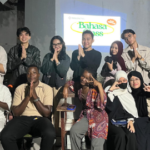
A summer with Kanazawa
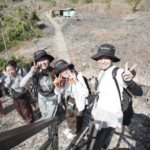
Students from Kanazawa University and Unhas, among them Unhas students from Somalia, Iraq, Pakistan, Nigeria, and Bangladesh, studied and travelled together in the UNHAS–KU Summer Program.
Degrees that travel
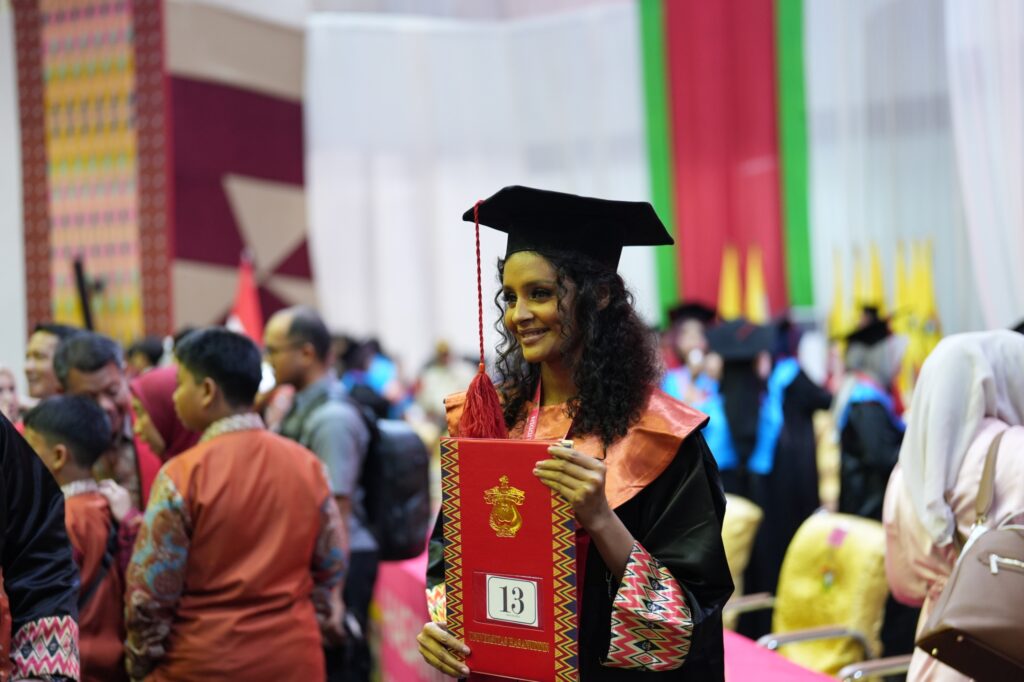
From Afghanistan to the Gambia
International students from Afghanistan, Madagascar, Jordan, Iraq, Pakistan, and the Gambia crossed the stage together, with degrees in medicine, dentistry, law, public administration, communication, and mechanical engineering.
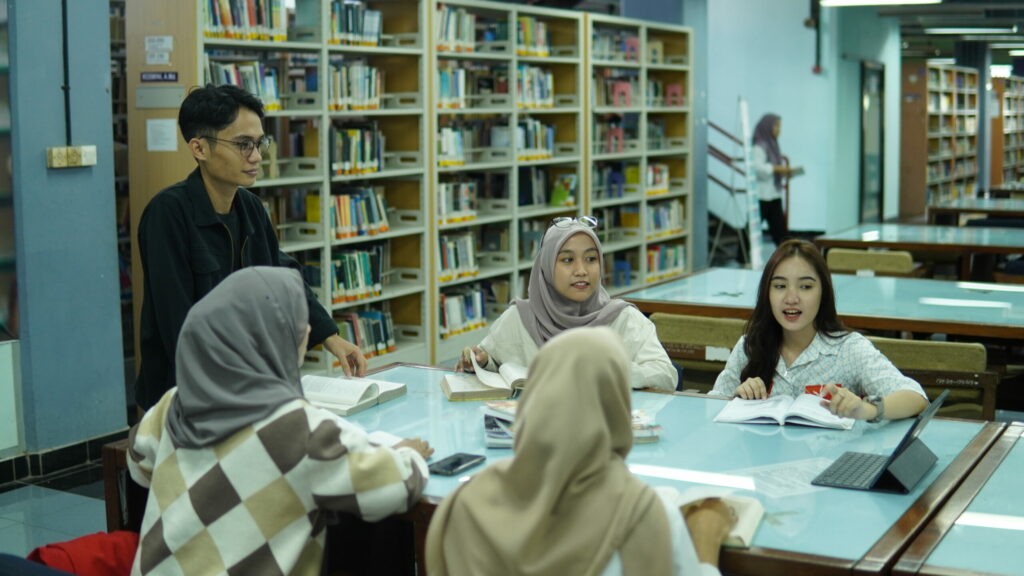
Degrees taught in English
The International Class teaches degree programmes in English, from medicine and pharmacy to management and public administration.
On an Indonesian government scholarship
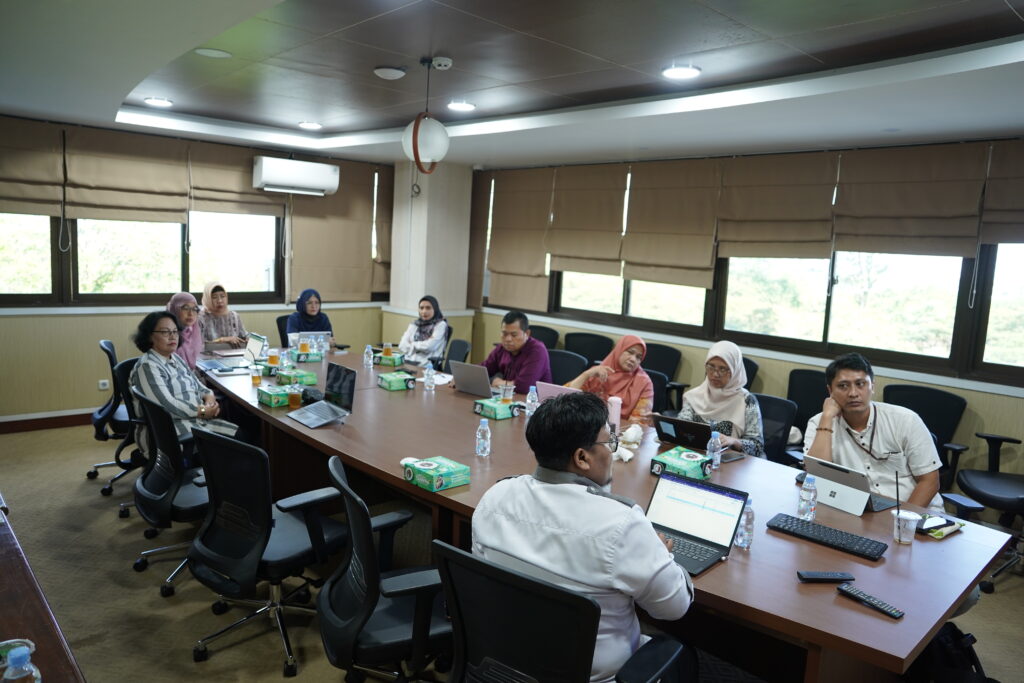
Unhas hosts students on the Developing Countries Partnership Scholarship (KNB); the ministry reviewed how they are taught, supported, and supervised, and heard from the scholars themselves.
Plan your studies
Fees you can calculate
Tuition is set in rupiah by Hasanuddin University; the International Students page lists every fee with its US dollar equivalent and a calculator for the whole degree, living costs included.
Scholarships from Unhas
The UNHAS LEADS scholarship reduces tuition, and the Presidential Scholarship waives tuition for research master’s and doctoral students during the award; both are explained, with their guidelines.
A medical degree recognised in Malaysia
The Malaysian Medical Council has listed the Unhas medical degree among its recognised medical qualifications for decades.
The guide, in one file
The International Student Guide covers programmes, fees, scholarships, the E30B student visa, arrival, and life in Makassar.
Latest from campus
-
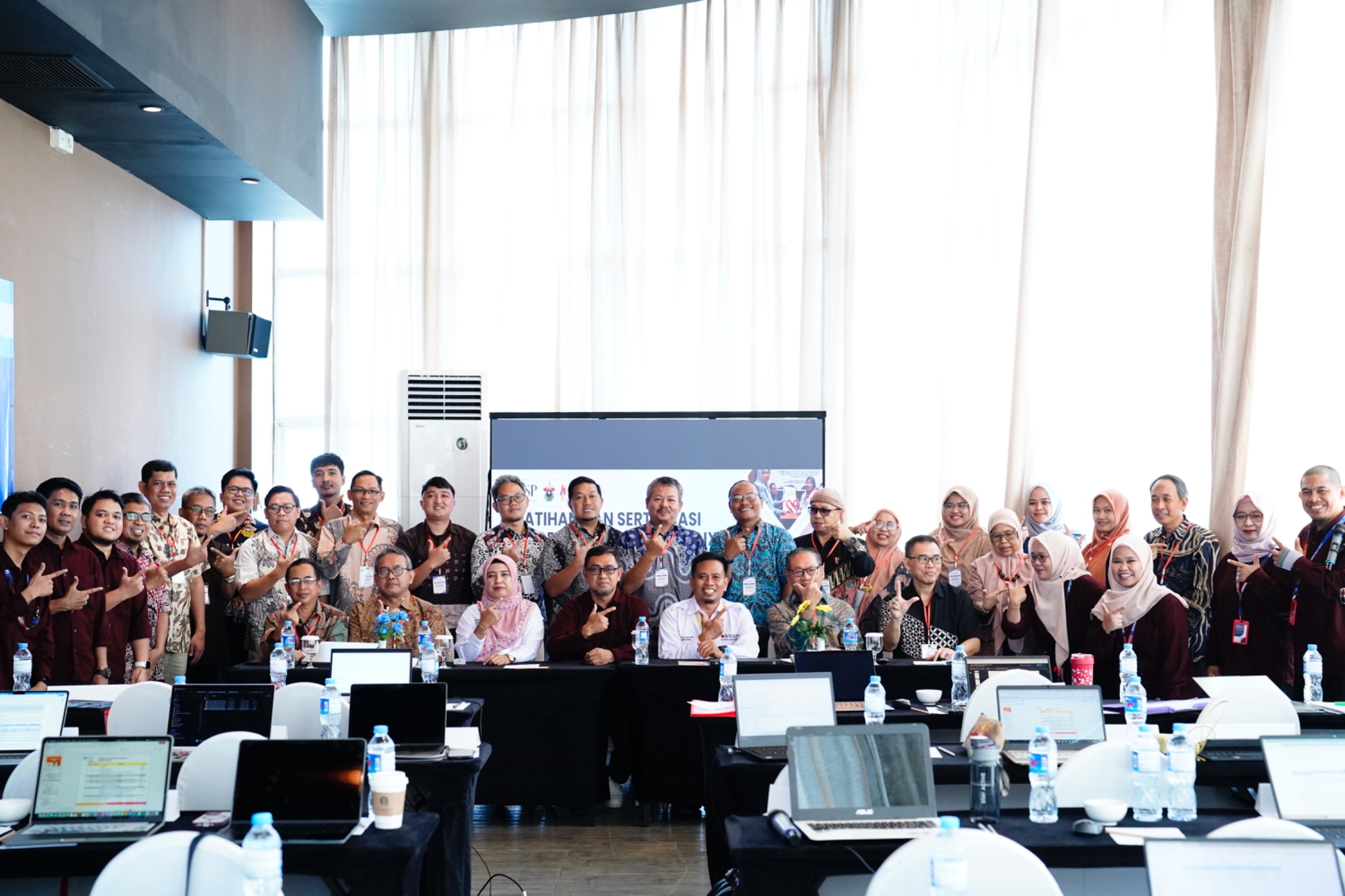
Pushing Graduates to Hold Competency Certificates, Unhas Professional Certification Body Holds Assessor Training
-
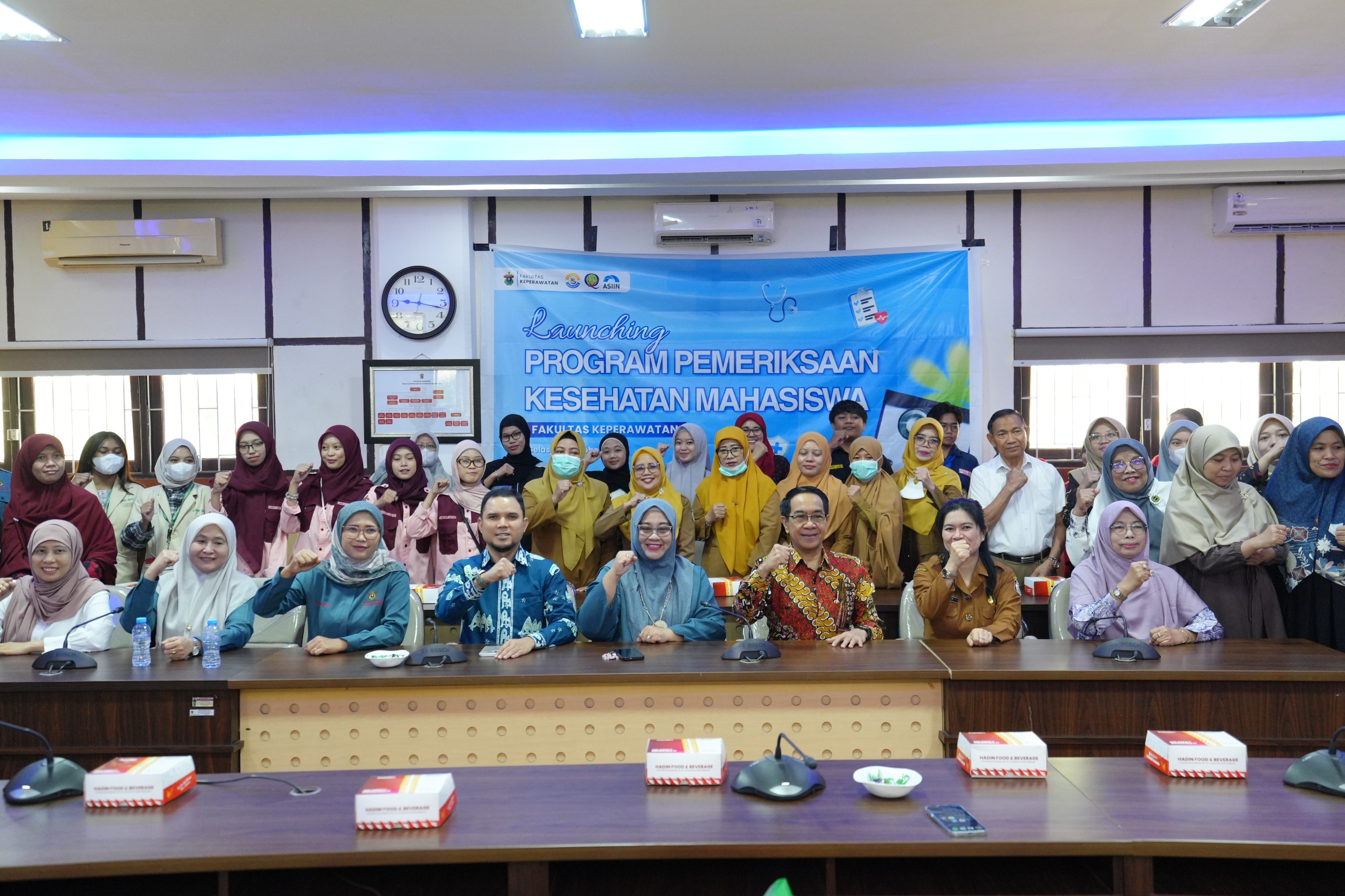
Unhas Faculty of Nursing Launches Free Health Checks for Students, Including Mental Health
-
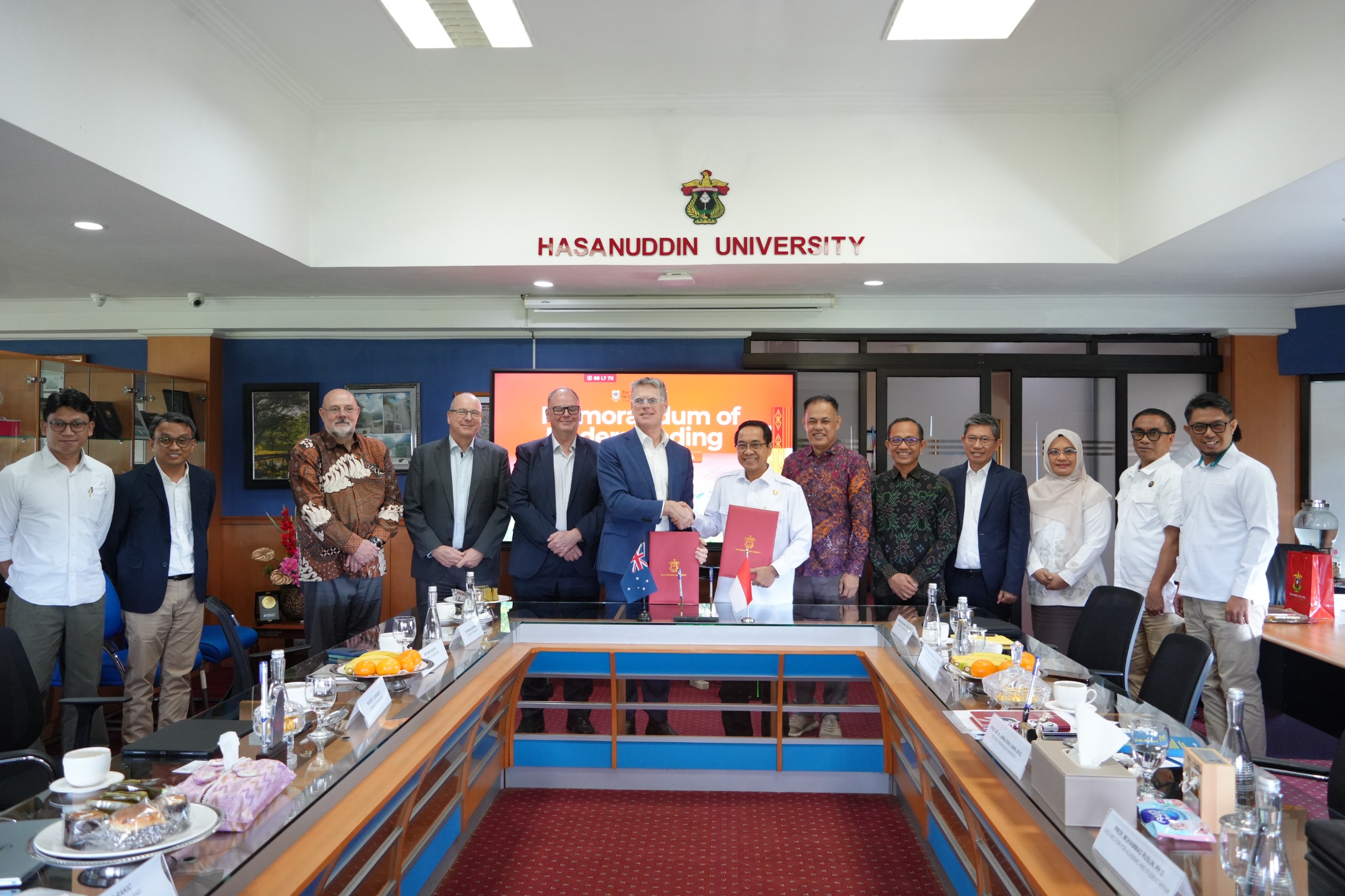
Unhas and Australia’s UQ Strengthen Collaboration on Double Degrees and Critical Minerals Research